
About Doctor John B. Vincent
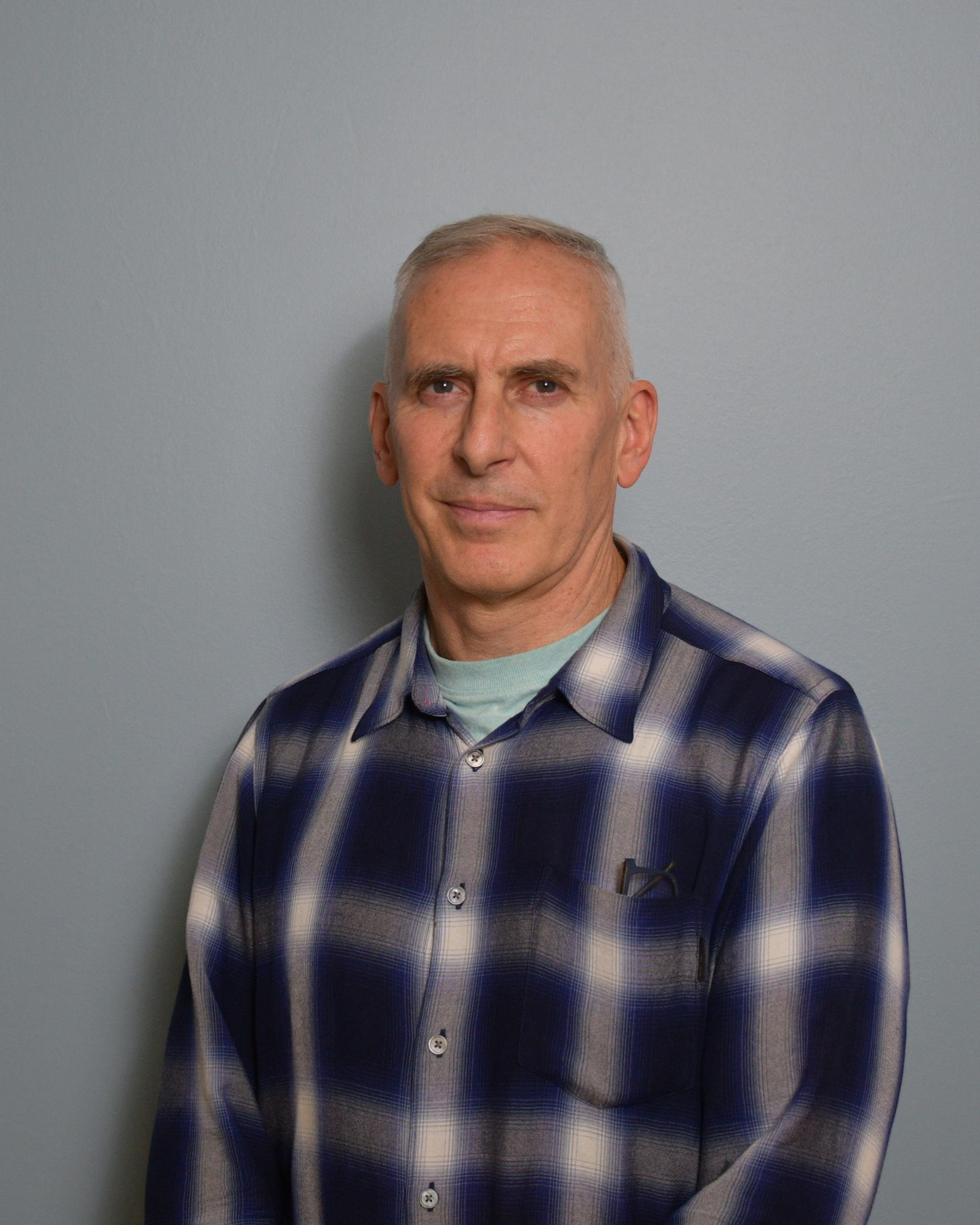
My origins are from Billericay, Essex, UK, known for the Battle of Billericay during the famed Peasants’ Revolt of 1381. But other than revolting peasants, Billericay is also famed for exporting a number of its residents to the new world on board the Mayflower. My Essex background also goes some way to explain my football allegiance, and I’ve been a staunch West Ham United fan since the heady days of Bobby Moore, Billy Bonds, and Geoff Hurst.
My family moved to Guildford. Nestled in the Surrey hills, Guildford is referred to as the Sienna of Surrey, about as often as Sienna being referred to as the Guildford of Tuscany. Here I attended the Royal Grammar School. Then, after a stint working as a hospital porter, I spent three years at Manchester University, leaving with a BSc Hons in Biochemistry, and my head held high (and my feet held higher still, and ordered not to return!).
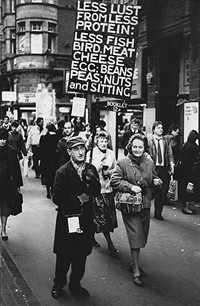
During this training period, I spent several months working in the lab of Dr Eric Chantler at the Wythenshawe Hospital, Manchester. This was my first lab research experience, and probably the deciding factor that set me on my career path. I subsequently headed south, drawn to the bright lights of London, the West End, and a Victorian hovel in Islington, to work with Dr Steve Humphries at Charing Cross Hospital on the genetics of atherosclerosis. Among other techniques, I learned Southern blotting and the recently developed PCR, using three waterbaths. After two years, I began my PhD studies under Dr Hugh Gurling at the UCL/Middlesex School of Medicine. During this period, I began to study the genetics of autism, with Patrick Bolton and Mike Rutter, focusing on the X-chromosome. During this time, I was living near Tottenham Court Rd tube station- an area sometimes known as Noho (or north Soho), but more officially as Fitzrovia. The early 90s was an amazing time to live in London’s West End. A time of cheap rents, indie music, acid jazz, rave, jazz bars, art bars, dive bars, Stanley Green proselytizing along Oxford Street, …..and IRA bombs!
On gaining my PhD, and after several months travelling around Central Asia, I began looking for a postdoctoral position. One rejection I received, but with a delightful letter from Dr Qasim Mehdi, was for a position advertised in the New Scientist at the Khan Research Laboratories in Pakistan, where I’d hoped to develop a project researching autosomal recessive causes of autism in consanguineous families. The post, he informed me, was apparently only open to Pakistani nationals. Possibly as this was the institute where nuclear weapons were being developed in secret! However, I began a postdoc position at the then Clarke Institute of Psychiatry in Toronto with Dr James Kennedy in 1995. I checked for WMDs, but none here fortunately!
My main focus, other than watching Brit Pop bands like Oasis, Blur, Stone Roses etc. at ridiculously small Toronto venues, was researching trinucleotide repeat expansion in schizophrenia and bipolar disorder. For me, the culmination of this period (the research, not the bands) was cloning a massively expanded CAG/CTG repeat from a bipolar disorder patient, and then characterizing it and localizing it to chromosome 13 (PMID: 10712198). This success was slightly tarnished when the same repeat expansion was published as the cause of spinocerebellar ataxia 8, a genetic association that remains controversial (see PMID: 27270050). As for the bands, highlights included seeing Supergrass at Sneaky Dee’s (with Radiohead in the audience), and Edwin Collins at The Rivoli, with former Sex Pistol Paul Cook on drums. Good times!
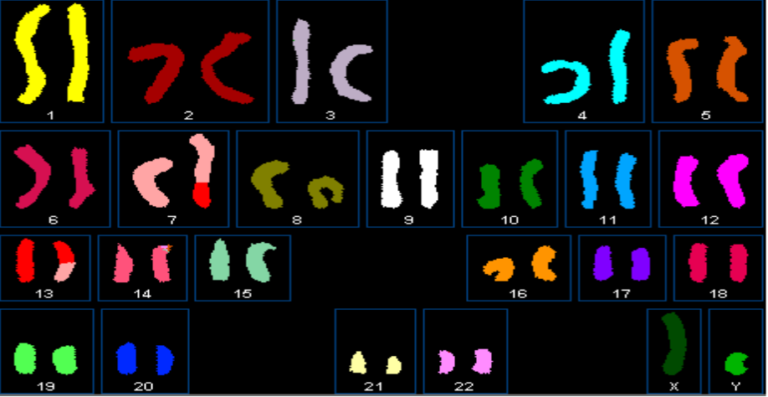
My next move was ~1 Km east, for a second postdoc stint, in the lab of Dr Stephen Scherer. This brought me full circle to work again on the genetics of autism. The work here included characterizing breakpoints and disrupted genes for cytogenetic mutations in autism patients, such as this translocation between chromosomes 7 and 13.
In 2002 I moved 1 Km back west again, starting my own research group at CAMH to focus on molecular genetics of autism and neurodevelopmental disorders. In addition to studying the role of genomic variants in autism, in 2005 I began working with Dr Muhammad Ayub, recruiting families from Pakistan for genetic studies of neurodevelopmental disorders. Dr Christian Windpassinger, then visiting from the University of Graz, Austria, showed me how to use microarray genotype data to look for regions of homozygosity-by-descent. The result was identification of the CC2D2A gene, and subsequently many other new autosomal recessive genetic causes of neurodevelopmental disorders.